




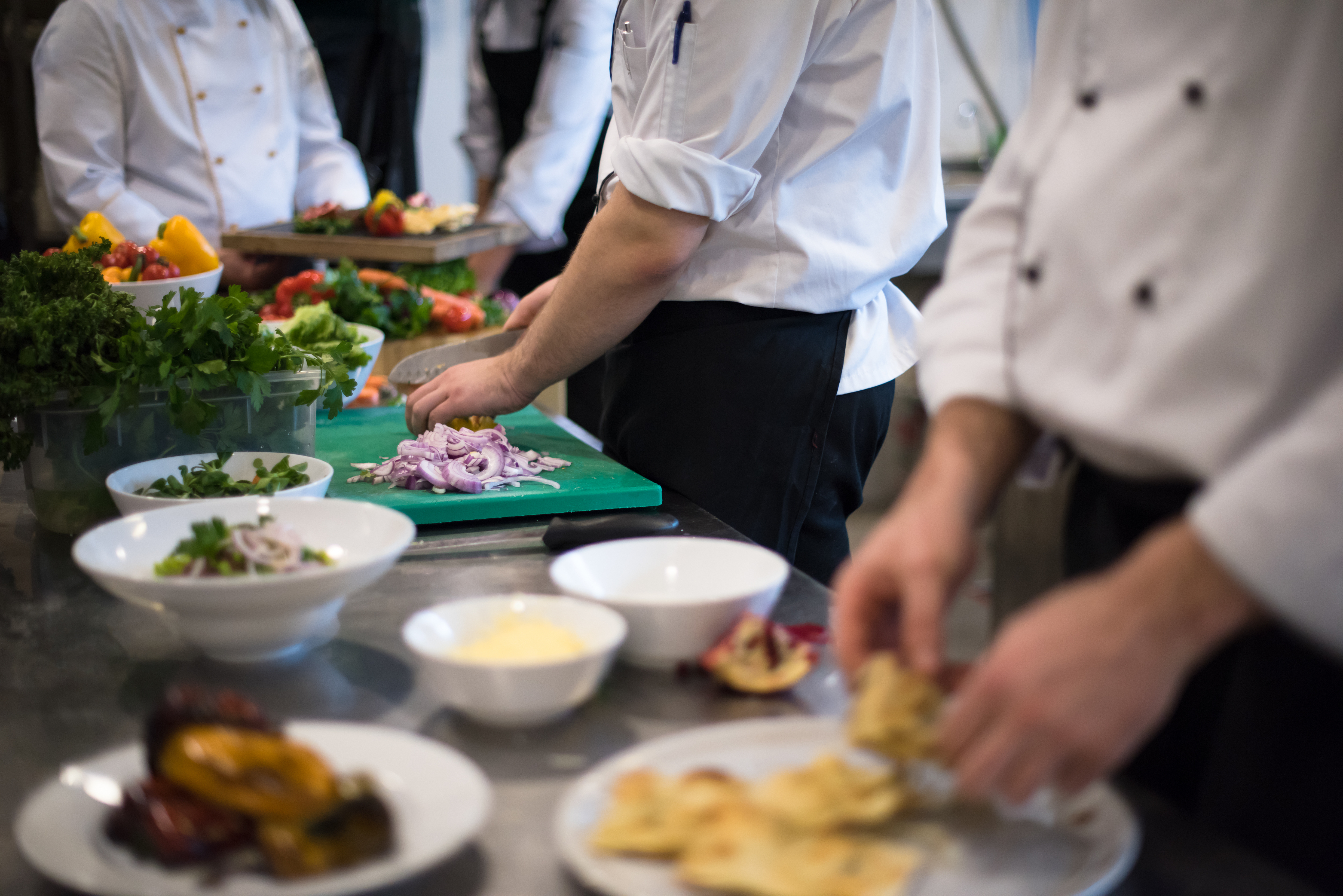
Track and Reduce Food Waste in Your Restaurant
The Ce4Re Waste Tool helps restaurants monitor food waste, understand where it comes from and reduce both waste and costs using real kitchen data.
A practical guide explaining the methods behind the tool.
What is the Ce4Re Waste Tool?
This online tool is designed to support restaurants in monitoring food waste and choosing the most effective ways to reduce it.
By registering food waste regularly, your kitchen can move from assumptions to clear, data-based decisions and introduce practical circular practices into daily work.
What you can do with the Waste Tool
Monitor food waste by source
Register food waste based on where it occurs in your kitchen. The tool tracks waste in four main categories:
- Preparation waste
- Over-production
- Storage waste
- Plate waste
Track the financial impact of waste
Add prices to products and dishes to see not only kilos of waste, but also the value of wasted food in currency.
Adapt the tool to your kitchen
Easily adjust waste categories and classifiers to match your menu, workflows and business needs, while supporting the introduction of practical circular practices in daily kitchen work.
Follow your progress over time
The system allows you to create clear reports that show how your kitchen performs over time.
You can generate:
- Daily, weekly, monthly and yearly waste reports
- Food waste amounts in kilos
- Food waste value in currency
- CO₂ emissions related to food waste
For more accurate insights, you can:
- Add daily visitor numbers
- Track food waste per guest
- Export data to Excel for deeper analysis and internal reporting

How it works in practice
Register food waste
Record food waste during daily kitchen operations, grouped by source and type.
Analyse waste patterns
Identify where waste is generated most often and which processes need improvement.
Reduce waste and monitor results
Apply targeted changes and follow progress using reports and comparisons.

Learn how to reduce waste, not just measure it
In addition to data tracking, you gain access to a Knowledgebase with practical circular economy approaches, including:
- Smart menu planning and product ordering
- Circular cooking methods that reuse food residues
- Community-based solutions for managing over-produced food
These circular practices help restaurants keep food in use for longer, reduce unnecessary waste flows and make better use of existing resources.
Waste Reduction Tool Handbook for Restaurants
A practical handbook developed to support restaurants in using the Waste Tool and applying waste-reduction methods in daily operations.
The handbook explains:
- How to set up your restaurant profile
- How to carry out food waste registration
- How to generate and use reports from the system
Explore other Ce4Re tools
EkoGo
Connects customers with restaurants applying circular practices and increases restaurant visibility.
MenuTool
Supports sustainable menu planning, ingredient optimisation and smoother kitchen workflows.
Developed within the Ce4Re project
The Waste Tool was developed within the Interreg Central Baltic project "Development of joint circular solutions in the Central Baltic restaurant sector (Ce4Re)".
The project is co-funded by the European Union through the Interreg Central Baltic Programme and supports restaurants in applying practical circular economy solutions to reduce food waste.